IoT Based Access Control Solution & Meal Booking App
• Access control, attendance, and meal operations were disconnected and manually reconciled. • Built a unified IoT and enterprise platform across biometric devices, identity, and payroll workflows. • Improved security control, attendance integrity, and finance-aligned operations.
Executive Snapshot
Processing high-volume biometric IoT events across hybrid infrastructure with distributed RBAC enforcement and transaction-safe multi-system synchronization.
Engineering Millisecond Trust at the Turnstile
Unifying biometric hardware, corporate LANs, meal wallets, and payroll into one governed platform — and the race conditions, network segmentation, and identity drift that tried to stop us.
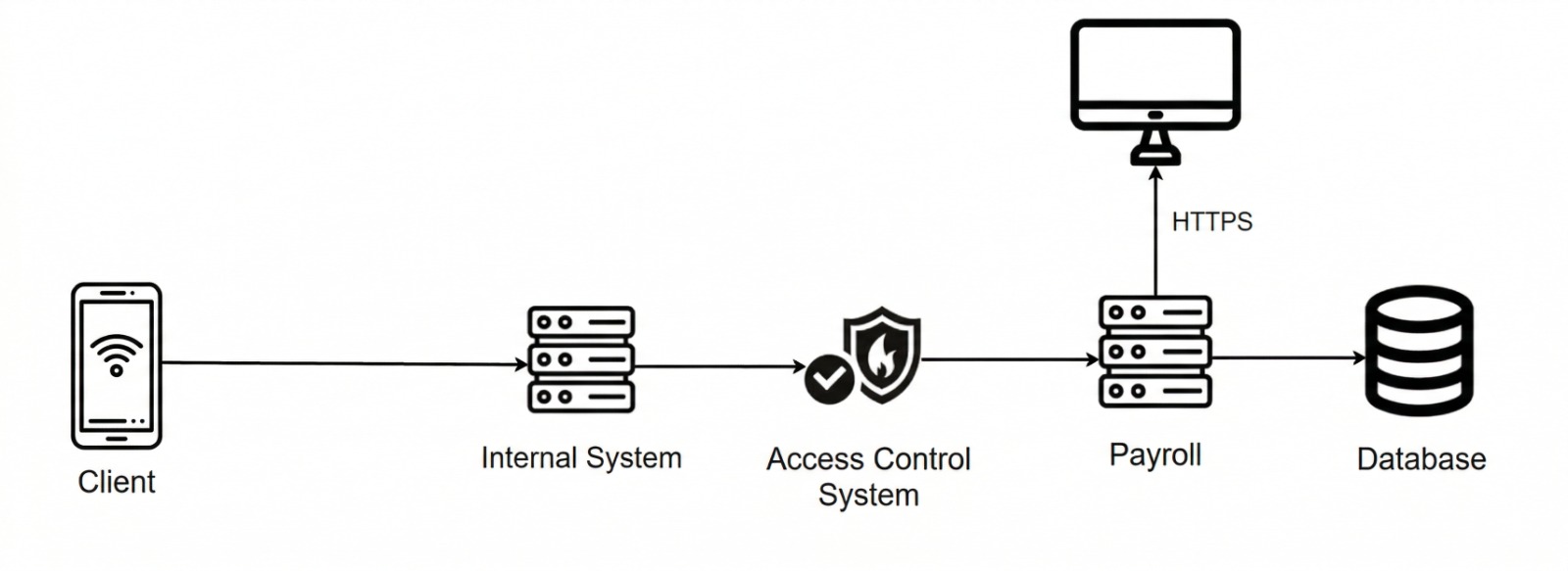
The project began with a common enterprise challenge: attendance, access control, meal management, and payroll systems operating in isolation. One of the largest local conglomerates had attendance scattered across silos - Suprema biometric devices logging raw scans, HR systems managing shifts, a separate meal app, and payroll operating independently. Nothing synchronized reliably. Double meals slipped through, audit trails were fragmented, and operational trust was low. The mandate was clear: unify access control, attendance validation, meal entitlements, digital wallet, and payroll sync into one governed platform - without compromising security across on-prem hardware, corporate LANs, DMZs, firewalls, and cloud services.
I led the full architecture: device communication layer, backend services (Node.js with MySQL), RBAC enforcement, event-driven synchronization, enterprise identity integration, and hybrid deployment - on-prem for biometric endpoints, cloud for scalable processing and dashboards. The real challenge was millisecond trust. A single RFID or fingerprint scan had to verify identity, validate duty schedule, prevent duplicate meals, deduct wallet balance transactionally, stamp attendance, and log immutably - all while crossing segmented network zones under latency and firewall constraints.
Early prototypes broke quickly. Device connections dropped scans during lunch rush. Race conditions allowed duplicate deductions. Identity sync drifted. Wallet balances mismatched, forcing manual reconciliation. Patching symptoms wasn't enough.
So the architecture shifted. Device events became authoritative triggers routed through secured, retry-enabled APIs with backoff and dead-letter handling. Endpoints were made idempotent to eliminate replay duplication. Wallet deductions were wrapped in transactional flows (with compensating logic where needed) to guarantee consistency. Multi-layer validation enforced biometric match → identity → rule engine → balance check → atomic commit. Edge communication was hardened with buffering, persistent queues, and failure logging so no scan disappeared silently.
Over time, the system evolved into a hybrid enterprise backbone: on-prem Suprema hardware feeding secure edge gateways, events flowing to cloud services enforcing RBAC (cached role-policy maps with event-driven invalidation), deep HR and payroll integrations, and real-time operational dashboards. I contributed roughly half the production code - device layer, rules engine, security model, audit pipeline - while collaborating on frontend and testing.
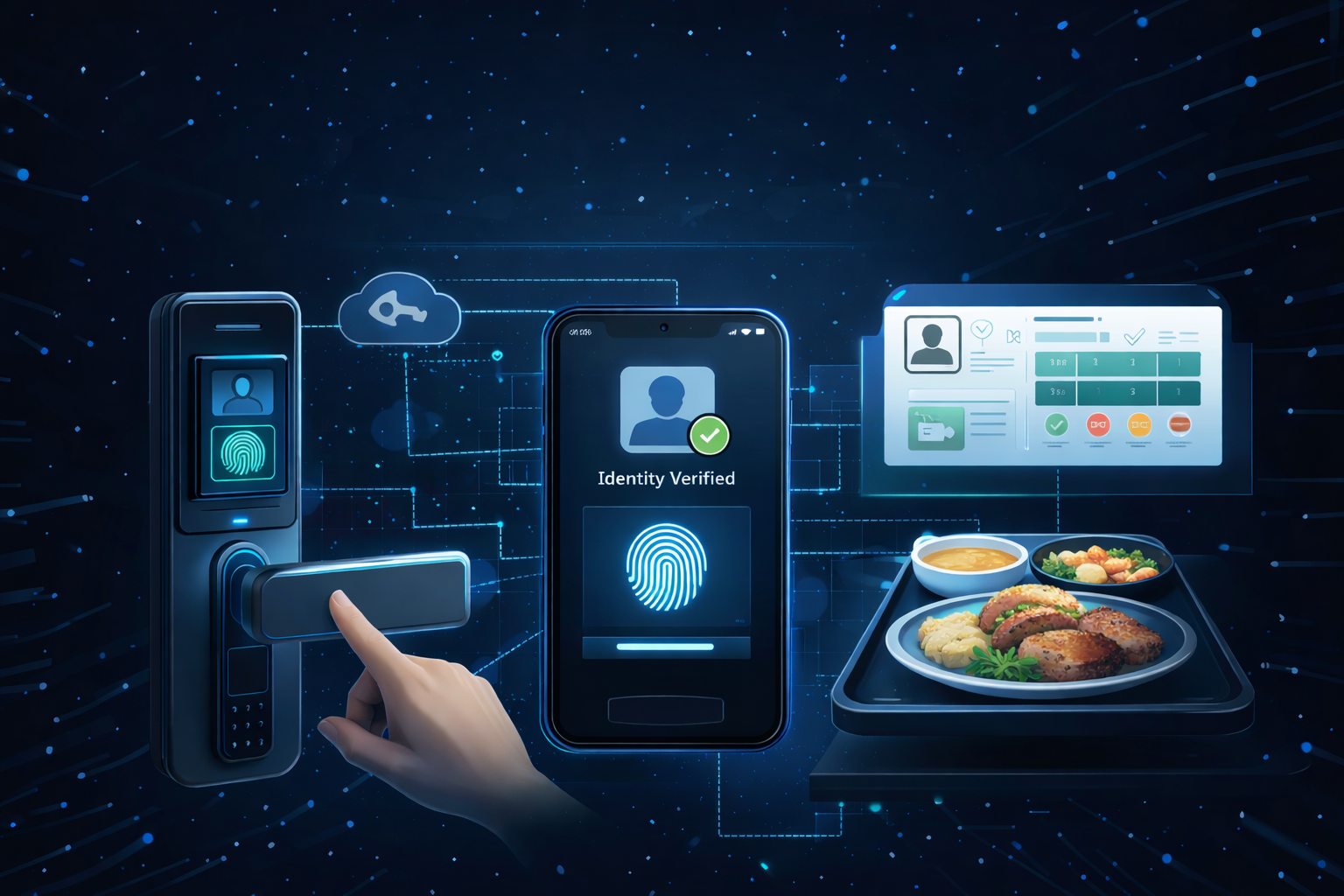
By the end, a single scan triggered a consistent, traceable chain: identity verified, entitlement validated, wallet updated atomically, attendance recorded, and audit logged. Silos eliminated. No silent failures. Full operational accountability. Not flashy - but engineered to survive real lunch-hour pressure.
Gallery
Note: This is a conceptual representation of an enterprise revenue governance platform. All branding, data, and identifiers have been modified for confidentiality purposes.
Project Screenshots