LLM-Integrated Conversational AI Platform with RAG Architecture
• Single-layer chatbot logic failed on complex intent, context carryover, and transactional safety. • Built a confidence-gated AI stack with deterministic routing, NLP layers, RAG grounding, and bounded LLM use. • Improved first-response intent accuracy by 45-60% and reduced hard-failure paths by 80%+.
Executive Snapshot
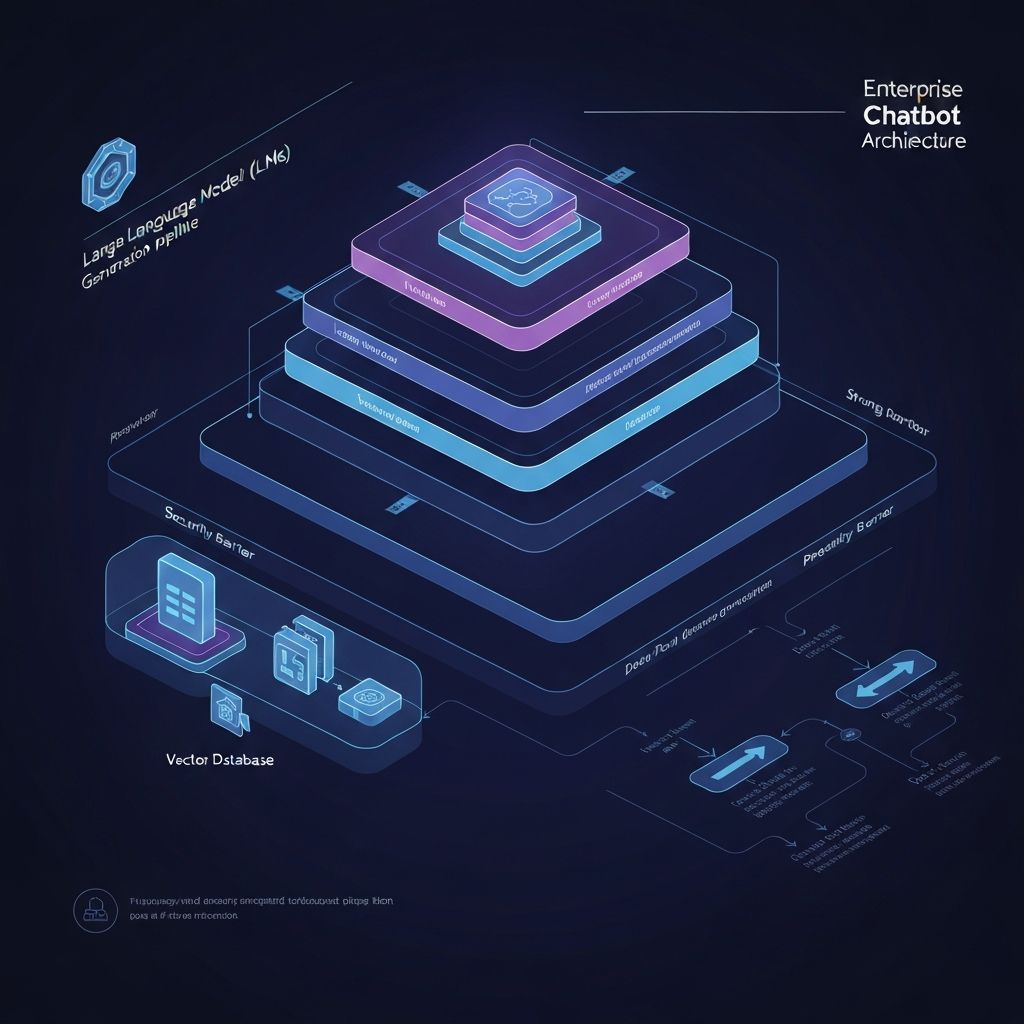
Designing a confidence-gated, multi-model AI architecture that balances deterministic logic, NLP, and LLM inference while enforcing strict data governance and transactional integrity.
From Scattered Webhooks to a Governed AI Backbone
Transforming brittle per-client chatbot integrations into a scalable multi-tenant conversational engine with cascading NLU, deterministic commerce safety, and RAG-grounded intelligence.
It began fragmented: every client had its own hardcoded webhook, brittle if-else behavior trees, and inconsistent integrations that made onboarding new brands slow and error-prone. As lead architect and primary developer, I took ownership of transforming it into a scalable, multi-tenant conversational engine.
The first major shift was consolidating everything into a single database-driven webhook router. Client configurations, routing logic, behavioral rules, and feature flags moved from scattered code into structured DB tables. Onboarding became configuration instead of redeployment, and operations gained control without touching production code.
On the NLU side, I expanded and curated large wit.ai intent/entity datasets over months, significantly improving coverage across commerce, support, and product queries. To protect transactional flows, I enhanced our deterministic lookup engine (Lavoisier-style exact/phrase matching with weighted scoring and synonym expansion) so structured SKUs and variants were resolved precisely before falling back to NLP. The hybrid rule-based + ML approach ensured reliability for payment paths and flexibility for ambiguous queries.
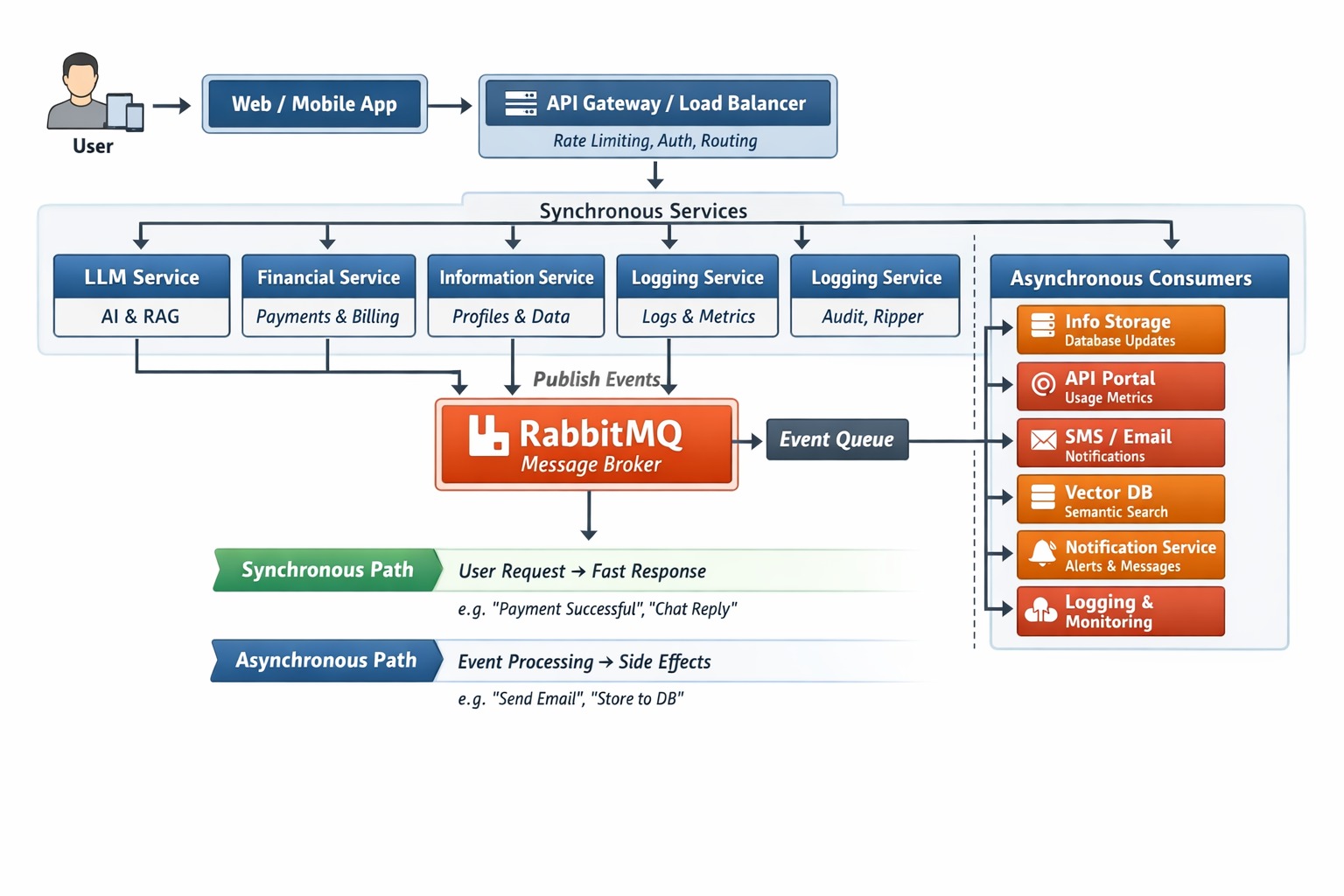
Payments required strict guarantees. I implemented secure callback handlers, transactional state validation with explicit state machines, idempotency keys to prevent duplicate charges, and event-driven reconciliation syncing chat state with backend order systems. Financial integrity became verifiable, not assumed.
The hardest challenge was product intent detection. Users rarely type exact SKUs - they describe needs. I layered lightweight LLM-based contextual parsing on top of deterministic product mapping to refine intent and extract key attributes without letting generative AI control commerce logic. This significantly reduced misclassification and improved recommendation accuracy.
Over time, the system matured into a governed platform: database-configurable for multi-tenancy, AI-augmented for understanding, payment-aware with reconciliation safety, and omni-channel (web, Messenger, WhatsApp) through consistent event tracking and shared state. I built most of the core - FastAPI services, webhook router, schema design, rules engine, integrations - while collaborating on frontend bots and testing.
What started as scattered webhooks evolved into a scalable, auditable backbone - balancing deterministic guardrails with intelligent flexibility.
Gallery
Note: This is a conceptual representation of an enterprise revenue governance platform. All branding, data, and identifiers have been modified for confidentiality purposes.
Project Screenshots